
Introduction
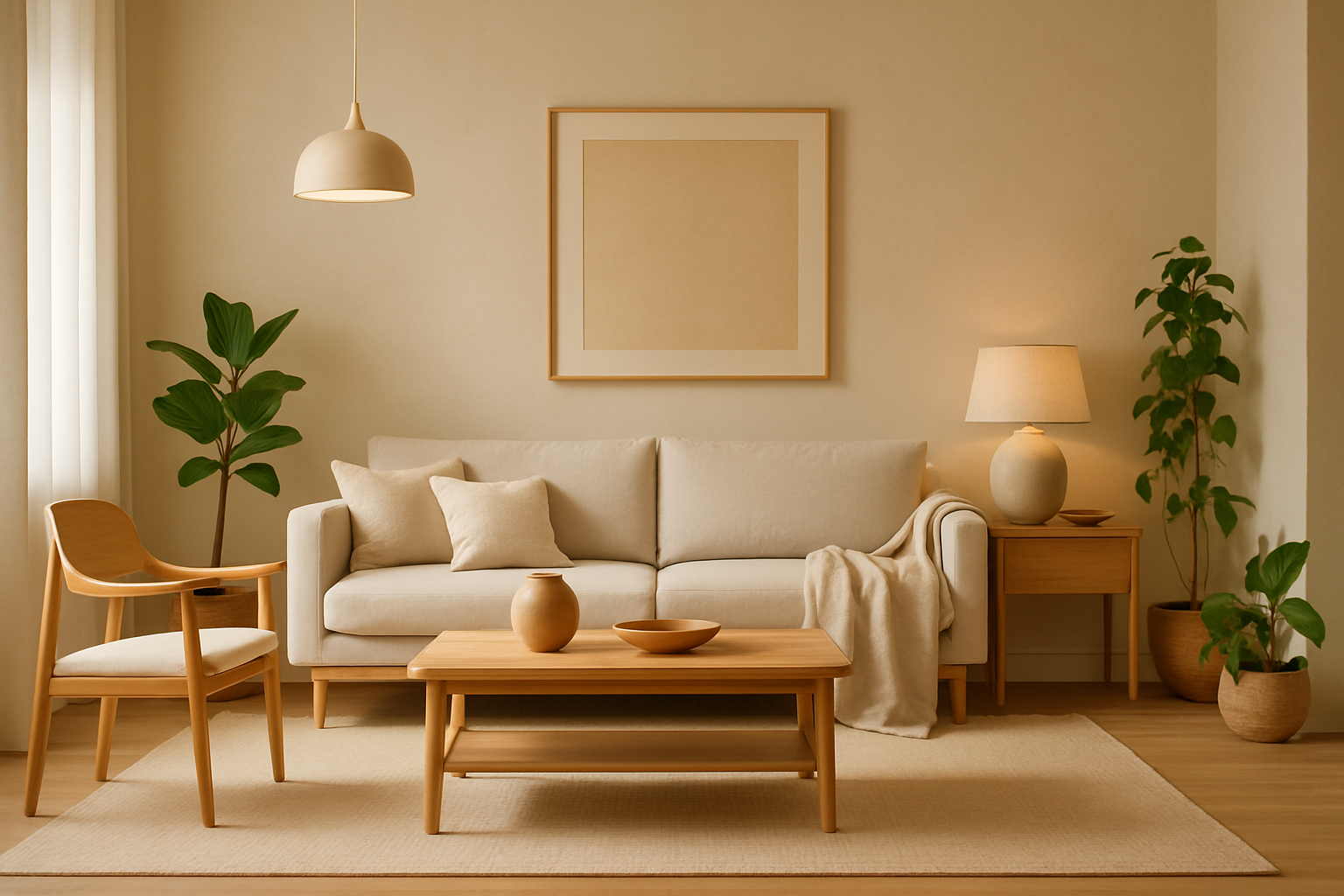
Minimalism has long been celebrated for its clean lines and uncluttered spaces, but recent trends show a shift away from cold, gray interiors toward a warmer, more inviting aesthetic. Known as warm minimalism, this approach combines the simplicity and clarity of minimalism with cozy, grounded elements that make a home feel both calm and high-end. In this guide, we’ll explore how to create a warm minimalist home that balances functionality with comfort, making your space feel effortlessly sophisticated.
Understanding Warm Minimalism
Warm minimalism strips away excess while carefully integrating natural colors, textures, and materials that evoke a sense of comfort. Unlike stark minimalism, which often feels austere, warm minimalism aims for spaces that are serene yet welcoming. It’s about thoughtful design choices that foster wellbeing without sacrificing style.
Key Characteristics
- Neutral and warm color palettes: Think soft beiges, warm whites, gentle browns, and muted earth tones rather than cold grays or stark whites.
- Natural materials: Wood, linen, wool, and stone add texture and depth.
- Simple, functional furniture: Pieces that focus on clean lines but prioritize comfort.
- Soft lighting: Warm, indirect light sources create an inviting atmosphere.
Step 1: Choose a Grounded Color Palette
Start by selecting a color palette that sets the tone for warmth and calm. Avoid overly bright or clinical whites and grays. Instead, opt for warm neutrals such as creamy ivory, soft taupe, and gentle caramel. These hues form a subtle backdrop that enhances natural light and makes a room feel cozy yet expansive.
Consider layering colors to add depth—pairing a warm beige wall with soft clay or muted terracotta accents can create a balanced and harmonious environment.
Step 2: Incorporate Natural Textures
Texture is essential in warm minimalism because it adds tactile interest without visual clutter. Incorporate natural materials that invite touch and create a sense of comfort:
- Wood: Choose furniture and flooring with natural wood finishes. Reclaimed or lightly stained woods add character.
- Textiles: Use linen curtains, wool throws, and cotton cushions to introduce softness.
- Stone and ceramics: Decorative objects or kitchenware in stone or matte ceramics enhance the grounded feel.
These elements ensure your minimalist space doesn’t feel clinical but instead embraces a lived-in warmth.
Step 3: Select Simple, Comfortable Furniture
Warm minimalism favors furniture that is both functional and inviting. Look for pieces with clean, straightforward shapes but comfortable proportions. Avoid overly ornate or heavy designs.
- Sofas and chairs: Choose designs with soft curves or plush upholstery in warm neutrals.
- Tables and storage: Opt for minimalist wood or metal frames with uncluttered surfaces.
- Multipurpose pieces: Select furniture that maximizes space and utility, such as nesting tables or storage benches.
Prioritize quality over quantity—each piece should have a purpose and contribute to the overall calm atmosphere.
Step 4: Use Warm, Layered Lighting
Lighting plays a crucial role in creating a warm minimalist home. Harsh overhead lights can undermine the serene environment you want to cultivate.
- Layer lighting: Combine ambient, task, and accent lighting to create depth.
- Warm bulbs: Choose bulbs with a warm color temperature (2700K to 3000K) for a cozy glow.
- Soft fixtures: Use lampshades, pendant lights, and sconces that diffuse light gently.
Consider dimmers to adjust light levels depending on mood and time of day.
Step 5: Declutter with Intent
A hallmark of minimalism is clear surfaces and open spaces, but warm minimalism emphasizes mindful curation rather than strict emptiness. Keep surfaces tidy but display a few meaningful items that reflect your personality and the natural aesthetic.
- Choose artwork or decor in muted tones.
- Use simple, elegant storage solutions to keep clutter out of sight.
- Rotate decorative items seasonally to keep the space feeling fresh without overwhelming it.
Step 6: Add Greenery for a Living Touch
Plants are an easy way to bring life and warmth into a minimalist space. Select low-maintenance greenery like snake plants, pothos, or succulents. Use simple planters in natural materials like clay or wood to complement your color palette.
Greenery softens clean lines and introduces a natural element that enhances wellbeing and air quality.
Practical Tips to Maintain Your Warm Minimalist Home
- Regular editing: Periodically reassess your belongings and remove anything that doesn’t add value or joy.
- Quality over quantity: Invest in durable, timeless pieces that age well.
- Mindful cleaning: Use natural cleaning products and keep surfaces clear to preserve the calm atmosphere.
- Intentional purchases: When acquiring new items, consider their color, texture, and necessity within your warm minimalist scheme.
Conclusion
Warm minimalism is more than a design trend—it’s a way to create a home that supports calm, comfort, and a high-end look without excess. By combining grounded colors, natural textures, simple furniture, and thoughtful lighting, you can transform your living space into a sanctuary that feels both sophisticated and inviting. Embrace the principles of warmth and simplicity, and enjoy a home that truly feels like your own.
Comments