
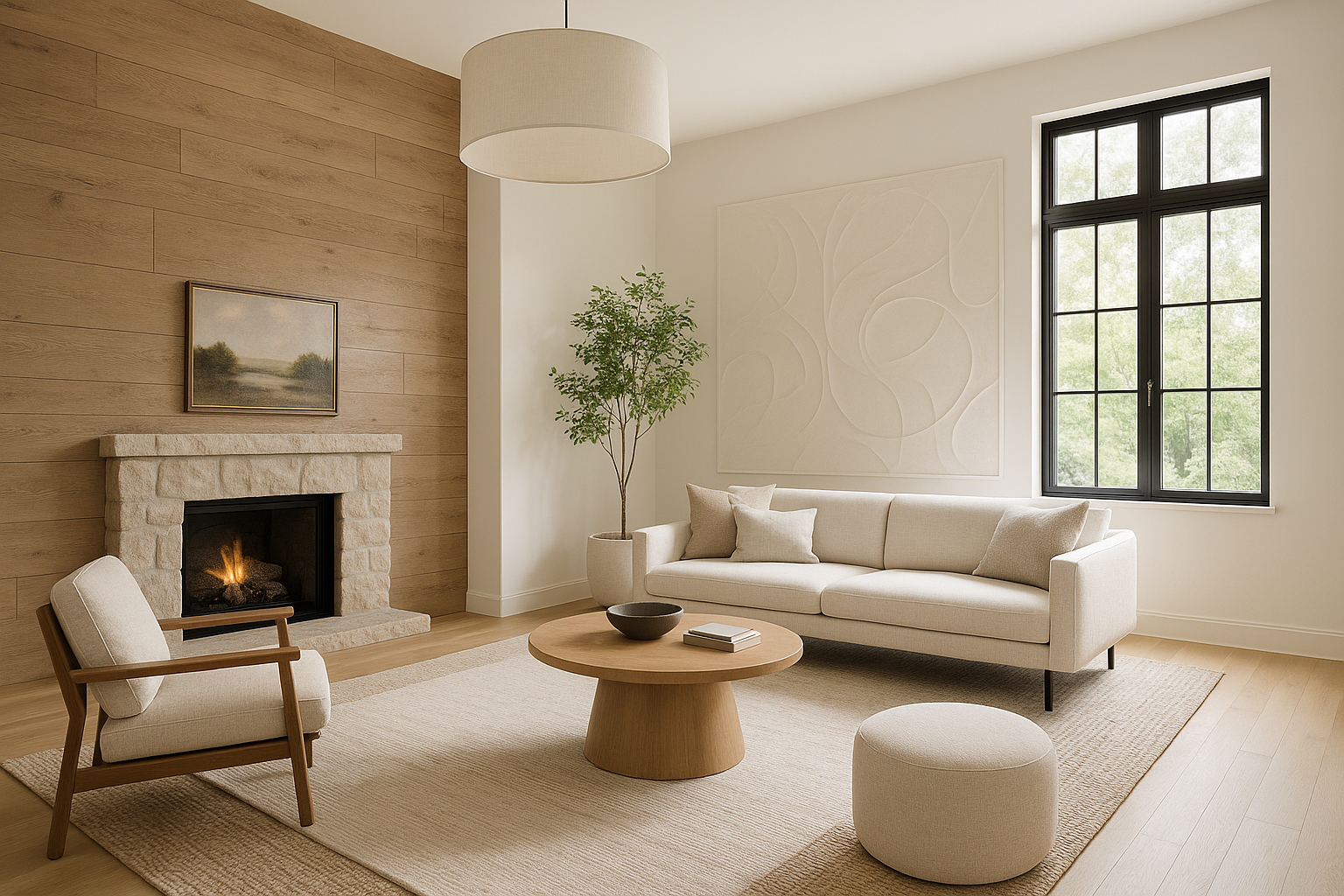
Why Texture Matters in Modern Home Design
In contemporary interiors, texture has emerged as a defining element of luxury. Beyond color and shape, tactile surfaces add depth, warmth, and character to a space. Designers and homeowners alike are embracing materials that invite touch and create visual interest, turning everyday rooms into sophisticated retreats.
Nature-inspired textures such as wood grains, stone veining, and layered finishes bring the outdoors in, grounding modern aesthetics with organic appeal. Meanwhile, sculpted wall panels and textured wallpaper introduce subtle dimension, transforming flat surfaces into focal points.
Wood: Warmth and Versatility
Wood remains a timeless material in interior design, valued for its natural variation and inviting feel. Whether used as flooring, wall cladding, or furniture, wood's texture adds richness and comfort.
- Embrace natural grains: Opt for wood finishes that highlight knots and grain patterns rather than overly smooth or polished surfaces. This approach showcases the material’s authenticity.
- Mix wood tones: Layering different wood finishes—from light oak to walnut—can create dynamic visual interest without overwhelming the space.
- Incorporate reclaimed wood: Reclaimed or distressed wood adds character and sustainability to your design, with unique textures that tell a story.
Stone: Timeless Elegance and Texture
Stone surfaces evoke durability and natural beauty, making them a popular choice for countertops, accent walls, and flooring. The tactile qualities of stone—rough, honed, or polished—can dramatically influence the ambiance of a room.
- Select textured finishes: Honed or leathered stone offers a matte, tactile surface that feels more organic than glossy polished stone.
- Use stone accents: Consider stone tiles or slabs as accent walls or fireplace surrounds to add textural contrast.
- Combine with other materials: Pairing stone with softer materials like textiles or wood balances the hardness and creates a layered, inviting space.
Wallpaper and Sculpted Panels: Modern Surface Art
Wallpaper has evolved beyond simple patterns to include textured and sculptural varieties that add depth and interest to walls. Similarly, wall panels made from wood, MDF, or composite materials can be sculpted into geometric or organic shapes, creating a three-dimensional effect.
- Choose tactile wallpaper: Grasscloth, linen, or embossed wallpapers bring a subtle texture that enhances a room’s sophistication without dominating it.
- Experiment with sculpted panels: Use these on a feature wall to create movement and shadow play, adding visual intrigue.
- Layer surfaces: Combine wallpaper with panels or wood accents for a curated, layered look that feels intentional and rich.
Layered Surfaces: Depth Through Contrast
Layering different textures within a space is key to achieving a luxurious feel. The contrast between smooth and rough, hard and soft, matte and glossy surfaces creates a balanced and tactile environment.
- Mix materials thoughtfully: Combine stone countertops with wooden cabinetry and textured textiles to add depth.
- Use rugs and textiles: Soft surfaces like area rugs, cushions, and throws complement harder textures and invite comfort.
- Play with finishes: Matte walls paired with glossy decor items or metallic accents provide subtle visual tension.
Practical Tips for Incorporating Texture
- Start small: Introduce texture through accessories like textured vases, woven baskets, or tactile throw pillows before committing to larger installations.
- Balance is essential: Avoid overwhelming a room with too many textured elements. Aim for a harmonious mix that feels layered yet cohesive.
- Think about lighting: Proper lighting highlights textures effectively. Use directional lighting or wall washers to emphasize sculpted surfaces.
- Consider maintenance: Textured surfaces can require different care than smooth finishes. Choose materials that fit your lifestyle and upkeep preferences.
- Use texture to define zones: In open-plan spaces, different textures can subtly delineate areas without physical barriers.
Conclusion
Texture is indeed the new luxury in modern home decor. By thoughtfully incorporating natural wood, stone, textured wallpaper, sculptural panels, and layered surfaces, you can create spaces that feel both elegant and welcoming. These tactile elements bring depth and warmth, transforming your home into a sanctuary that engages the senses and stands the test of time.
Comments